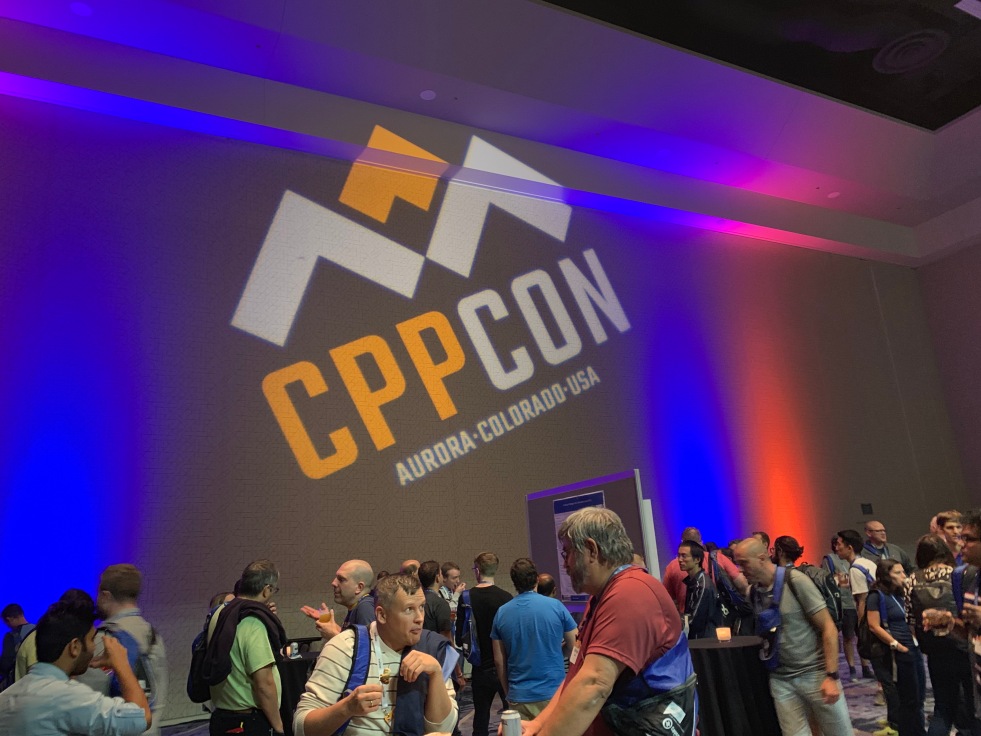
CppCon moved to Denver, Colorado (technically Aurora, CO) just a few miles from Denver Airport. 1400 people attended from Sept 16-20 and a 150 talks over the 5 days. Additionally, there were 1 and 2 day training classes the weekends before and after the conference.
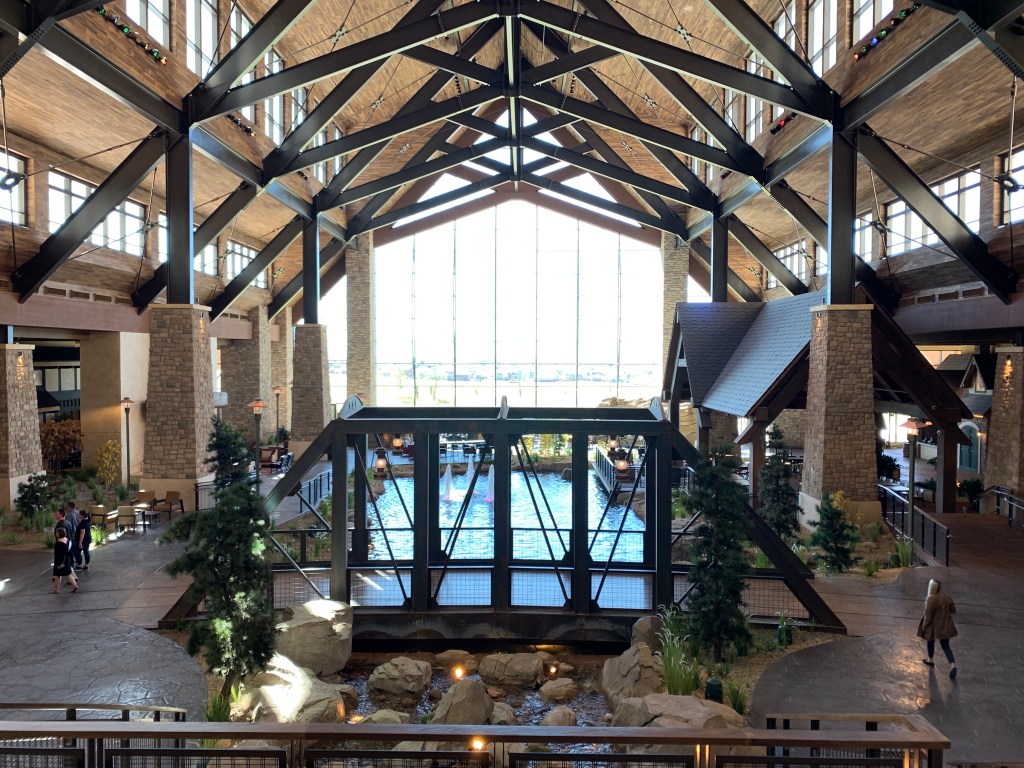
The Gaylord Rocky Mountain Resort hosted CppCon. It’s a huge place that’s very conference oriented though there are some nice pools and rec areas. You are pretty isolated so plan on eating at the nice but overpriced restaurants.
If need a destructor then need copy and assignment operators
Rule of Zero
If your class does not directly manage any resource then strive to write no special member functions
But your own swap might improve performance
Introducing rvalue references
As a general rule, lvalue reference parameters do not bind to rvalues and rvalue reference parameters do not bind to lvalues. A const ref will bind to rvalue
Move constructor
Rule of Five
A destructor
copy constructor
move constructor to transfer ownership (for performance)




 Pete Ware